

Anal Gland Removal Surgery in Dogs (and Cats): What Pet Owners Should Know
Top 3 Takeaways
Understanding Anal Glands and Their Role
Anal glands, sometimes called anal sacs, sit just inside the anus and produce a strong-smelling fluid that provides scent-related information to other animals. This is a natural part of communication for dogs and cats. In healthy pets, these glands empty on their own during bowel movements, and most owners never notice them. However, in certain pets, the glands can become blocked or inflamed, leading to discomfort and sometimes recurring medical issues.
Chronic irritation or inflammation of the anal glands can progress over time. Some pets may experience only mild occasional symptoms, while others may become increasingly uncomfortable, leading to frequent scooting, licking, or even painful abscesses. Understanding the underlying cause of these issues is key to deciding whether conservative management or surgical intervention is most appropriate.

Image 1: Anatomical illustration of a dog’s perineal area, highlighting key structures such as the anal sacs, external anal sphincter, and surrounding muscles involved in anal gland function.
Why Some Pets Are More Prone to Anal Gland Problems
When is Anal Gland Removal Surgery Recommended?
Anal gland removal is typically considered after non-surgical treatments have been tried. Most pets begin with manual expression, medications, diet changes, or allergy management. These approaches can be effective, but in some pets, relief is temporary and the issue returns again and again.
Living with recurrent gland inflammation can become distressing for both the pet and owner. When symptoms begin to limit comfort, or abscesses occur multiple times, surgery becomes a reasonable and often beneficial long-term solution.
Common Situations Where Surgery May Be Recommended
When these problems become repetitive, the benefits of a permanent solution often outweigh the ongoing cycle of irritation, medication, and repeated handling.
How Anal Gland Removal Surgery Works
Anal gland removal surgery, called anal sacculectomy, is a soft tissue procedure performed under general anesthesia. Your pet is safely sedated, and the veterinarian makes a precise incision near the affected gland to remove the sac and its duct. The goal is to eliminate the source of chronic disease while protecting the surrounding muscle and nerve structure.
This procedure requires careful technique because the anal glands sit close to the sphincter muscles that control bowel movements. A skilled surgeon uses fine, controlled motion and close anatomical knowledge to reduce tension and preserve normal function.
Surgical Variations
Your veterinarian will recommend the approach based on your pet’s clinical history and how often symptoms occur.
Benefits and Risks of Surgery
Deciding on surgery can feel like a big step, but for many pets, it can be life-changing. Understanding both benefits and risks can help you feel confident in your decision.
Benefits
Risks
Your veterinarian will discuss your pet’s individual risk factors and what to expect during recovery.

Figure 2: Anal gland removal surgery showing the gland and duct being carefully dissected and excised.
Recovery and Aftercare
Recovery from anal gland removal is generally smooth, although it requires attentive care during the first several weeks. A calm, controlled environment promotes healing and helps your pet avoid straining or licking at the surgical site.
What to Expect During Recovery
Most dogs begin to feel noticeably more comfortable within a few days, although full healing can take two to six weeks depending on the complexity of the procedure.
Activity Recommendations
Your veterinary team will schedule follow-up exams to check progress and ensure the incision is healing properly.
Cost Considerations
The cost of anal gland removal can vary based on several components of care. These may include whether one or both glands are removed, whether active infection is present, the need for diagnostics, and the level of monitoring during anesthesia and recovery.
At Bliss Animal Hospital, we review your pet’s medical history and examine the extent of inflammation to determine the most effective treatment plan. We provide clear estimates and thorough explanations so you understand your options before moving forward.
Anal Gland Removal in Cats
Anal gland disease is significantly less common in cats than in dogs, but when it occurs, symptoms may include licking, swelling, or changes in stool habits. For cats with persistent or severe disease, surgery may be recommended in the same way it is for dogs. The goals, recovery expectations, and long-term outcomes are similar.
Managing Anal Gland Health Without Surgery
Many pets do well with supportive care rather than surgery, especially if symptoms are mild or infrequent. Conservative management focuses on improving stool consistency and reducing inflammation.
Helpful Supportive Strategies
Your veterinarian will help identify which combination of diet, medication, and lifestyle support is most effective for your pet.
Frequently Asked Questions
Can a dog live normally without anal glands?
Yes. Dogs do not rely on their anal glands for digestion, bowel function, or general physical health. Once the glands are removed and healing is complete, most pets experience improved comfort and no longer display symptoms like scooting or irritation. Many owners report that their dog seems more relaxed and happier overall, especially if chronic pain or infection was previously present.
How long does healing and recovery take?
Most pets recover comfortably within three to six weeks. The initial soreness typically improves within several days, especially with appropriate pain management and activity restriction. Full healing of the tissue around the surgical site takes additional time, which is why rest and follow-up appointments are important. Your veterinarian will guide you through each stage of recovery and monitor healing closely.
Will my dog become incontinent after surgery?
The risk of stool control issues is real but uncommon. Temporary soft stools or minor leakage can occasionally occur during the early healing phase, particularly if inflammation was severe before surgery. Permanent incontinence is rare when the procedure is performed by an experienced veterinarian who uses gentle tissue handling and precise technique. Most dogs return to completely normal bowel function once swelling resolves.
How do I know if surgery is the right option for my dog?
Surgery is usually recommended when chronic anal gland issues continue to return despite treatment. Signs that surgery may be the best long-term solution include repeated infections, frequent veterinary visits for expression, abscesses that rupture or reoccur, or persistent discomfort that affects daily activity. Your veterinarian will evaluate your pet’s medical history, symptom pattern, and tissue condition to determine whether surgery is likely to improve quality of life.
Can both anal glands be removed at the same time?
Yes. If disease is present in both glands or if symptoms occur on both sides, it is standard to remove both during the same procedure. Removing both at once allows for a single recovery period and prevents future flare-ups on the untreated side. Your veterinarian will discuss whether unilateral or bilateral removal is most appropriate based on your pet’s condition.
Are there alternatives to surgery for dogs with mild symptoms?
Yes. Some pets respond well to supportive care such as increased dietary fiber, prescription gastrointestinal diets, allergy management, or scheduled gland expressions performed at the veterinary clinic. These approaches may reduce how often symptoms occur, especially if they are linked to environmental or dietary triggers. Your veterinarian will help determine whether a conservative approach or a surgical approach offers the best long-term comfort for your pet.
Compassionate Surgical Care in South Orange County
At Bliss Animal Hospital, we provide attentive, individualized care for pets with anal gland disease. Our veterinary team supports families throughout Lake Forest, Mission Viejo, Irvine, and Rancho Santa Margarita, offering thoughtful evaluation, customized treatment recommendations, and continuous guidance throughout surgery and recovery.
To schedule a consultation, call us at 949-354-5201.
About Bliss Animal Hospital
Our team, led by Dr. Nayara Pataro and Dr. Sam Amirshahi, is dedicated to providing compassionate, top-rated care right here in South Orange County. With a strong emphasis on relationships and personalized veterinary care, we’re here to support you and your pet’s health and happiness. If you’re looking for convenient, high-quality care nearby, check out our veterinarian services in Lake Forest, CA and surrounding areas like Veterinarian near Mission Viejo, CA, Irvine, CA Veterinarian (Great Park and Portola Springs) and vet near Rancho Santa Margarita, CA.
Meet Our Team
The blissfull faces behind the care
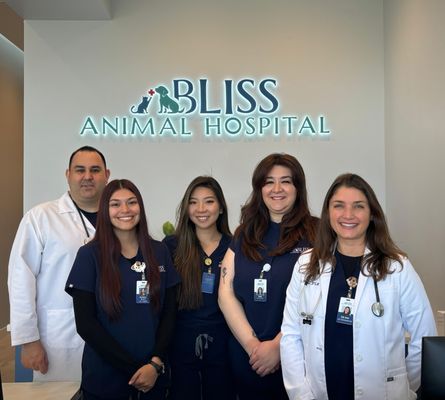
Driven by compassion and purpose, here is the team who will work to make a difference in your pet’s life. Every single visit.



















Leave A Comment