

What to Do if Your Dog Has Diarrhea for More Than a Day
Top 3 Takeaways
Introduction
Diarrhea is one of the most common reasons dog owners contact their veterinarian, and it is also one of the most misunderstood symptoms. A single loose stool or a brief episode of diarrhea can happen for many benign reasons, including mild stress, a new treat, or scavenging something unusual. In those cases, the digestive system often corrects itself quickly without medical intervention.
However, when diarrhea lasts longer than 24 hours, it becomes a different clinical situation. From a veterinary perspective, ongoing diarrhea indicates that the gastrointestinal tract is not returning to normal function on its own. Continued fluid loss through the intestines can lead to dehydration, electrolyte imbalances, and nutrient deficiencies, sometimes faster than pet owners expect. This is especially true for puppies, senior dogs, and small breeds.
At Bliss Animal Hospital, we regularly see dogs whose diarrhea could have been managed more easily with earlier evaluation. This guide is designed to help dog owners understand when diarrhea becomes concerning, what can be done safely at home, and when a veterinary exam is the most appropriate next step to protect your dog’s health.

Figure 1: A dog experiencing diarrhea during a walk. Loose or watery stool that persists for more than 24 hours may indicate gastrointestinal upset, infection, dietary intolerance, or underlying illness and should be evaluated by a veterinarian.
How Long Is Too Long for Dog Diarrhea?
Not all diarrhea is the same, and the length of time it persists is one of the most important factors veterinarians consider. While a short episode of diarrhea may resolve with minimal intervention, persistent diarrhea suggests that the underlying cause is continuing to irritate or disrupt the gastrointestinal tract.
Dogs rely on their intestines to absorb water and nutrients efficiently. When diarrhea continues beyond a day, that absorption process becomes compromised. This increases the risk of dehydration and can affect energy levels, appetite, and overall health. In clinical practice, duration helps determine whether monitoring is appropriate or whether diagnostic testing and treatment are needed.
Understanding how veterinarians categorize diarrhea by duration helps pet owners make informed decisions and avoid delaying care when symptoms persist.

Figure 2: Dog Stool Consistency Chart (Scores 1–7). This visual guide illustrates common dog stool consistencies, from very hard and dry (Score 1) to watery diarrhea (Score 7). A firm, formed stool (Score 2) is considered ideal. Source: Purina Pro Plan Veterinary Diets.
Acute vs. Persistent vs. Chronic Diarrhea in Dogs
Why Duration Matters
Common Causes of Diarrhea That Lasts More Than a Day
When diarrhea persists beyond a day, it is rarely random. In veterinary medicine, ongoing diarrhea is treated as a symptom that requires investigation rather than something to simply suppress. Identifying the cause is essential, because effective treatment depends on addressing the underlying problem.
Many different conditions can produce similar symptoms, which is why guessing the cause at home can be misleading. Dietary issues, parasites, stress, and internal disease can all present with loose stool that looks the same to pet owners. A systematic veterinary approach helps rule out common causes while remaining alert to more serious conditions.
Below are some of the most common causes we evaluate in dogs with persistent diarrhea.
Dietary Causes
Parasites and Infections
Stress and Environmental Triggers
Medical Conditions
Symptoms That Mean You Should Call a Vet Right Away
While diarrhea alone may sometimes be monitored briefly, certain accompanying symptoms significantly raise concern. From a medical standpoint, diarrhea combined with other clinical signs often indicates a more serious or systemic issue that should be addressed promptly.
Dogs cannot verbalize discomfort, so subtle changes in behavior, stool appearance, or appetite can be early warning signs. Acting quickly when these signs appear can prevent complications, reduce discomfort, and lower the risk of emergency hospitalization.
Red-Flag Symptoms
Symptom Decision Table: When to Monitor vs. When to See a Vet
| Symptom | What It May Indicate | Recommended Action |
|---|---|---|
| Diarrhea under 24 hours, dog otherwise normal | Mild digestive upset | Monitor closely |
| Diarrhea over 24 hours | Ongoing irritation or infection | Schedule veterinary exam |
| Diarrhea with vomiting | Increased dehydration risk | Call veterinarian same day |
| Blood or black stool | Gastrointestinal bleeding | Seek urgent care |
| Lethargy or weakness | Systemic illness | Immediate evaluation |
| Puppy or senior dog with diarrhea | Higher risk group | Do not wait |
What You Can Safely Do at Home (And What to Avoid)
It is natural for pet owners to want to help their dog feel better as soon as possible. In very mild cases, short-term supportive care at home may be appropriate. However, it is important to understand the limitations of home management and recognize when professional care is needed.
From a veterinary perspective, home care should only be considered a temporary measure while monitoring symptoms closely. Persistent diarrhea should not be managed solely at home, especially if additional symptoms appear or improvement does not occur.
Safe Short-Term Support
What Not to Do
How Veterinarians Diagnose Ongoing Diarrhea in Dogs
When diarrhea persists, diagnostic testing helps identify the cause and guide appropriate treatment. Diagnostics are chosen thoughtfully to provide meaningful answers while minimizing unnecessary procedures.
A thorough evaluation allows veterinarians to distinguish between dietary issues, infections, parasites, and internal disease. Early diagnostics often reduce overall treatment time and cost by avoiding trial-and-error approaches.
Physical Examination
Diagnostic Testing
Treatment Options for Persistent Diarrhea in Dogs
There is no single treatment that works for all cases of diarrhea. Treatment plans are individualized based on diagnostic findings, the dog’s age, overall health, and symptom severity.
Effective treatment focuses on restoring normal gut function, resolving inflammation or infection, and preventing recurrence. With proper care, most dogs respond well and recover fully.
Medications
Diet and Nutritional Management
Diarrhea in Puppies, Senior Dogs, and Small Breeds
Certain dogs are more vulnerable to complications from diarrhea. Puppies, senior dogs, and small breeds have less physiological reserve, meaning they can decline more rapidly than healthy adult dogs.
In these populations, dehydration and electrolyte imbalances can develop quickly. What appears to be mild diarrhea may become serious in a short period of time, making earlier veterinary evaluation especially important.
Why These Dogs Are Higher Risk
Preventing Future Episodes of Diarrhea
Prevention focuses on consistency, routine care, and proactive health management. While not all cases of diarrhea can be prevented, many are avoidable with proper planning and awareness.
Practical Prevention Strategies
When Diarrhea Becomes an Emergency
Some situations require immediate veterinary care. Recognizing these scenarios early can be lifesaving.
Emergency Warning Signs
When to Schedule a Veterinary Exam for Diarrhea
As a general guideline, if your dog’s diarrhea lasts more than 24 hours, a veterinary exam is recommended. Earlier evaluation is advised for puppies, senior dogs, or any dog showing additional symptoms.
Prompt care often prevents dehydration, hospitalization, and emergency treatment.
Conclusion
Diarrhea is common in dogs, but persistent diarrhea should never be ignored. While mild cases may resolve on their own, ongoing symptoms often indicate a deeper issue that requires professional evaluation. With early diagnosis and targeted treatment, most dogs recover quickly and comfortably.
At Bliss Animal Hospital, we provide compassionate, evidence-based care for dogs experiencing digestive concerns throughout South Orange County. If your dog has had diarrhea for more than a day, call 949-354-5201 or request an appointment online today.
Vet Urgent Care Services in Orange County, CA
About Bliss Animal Hospital
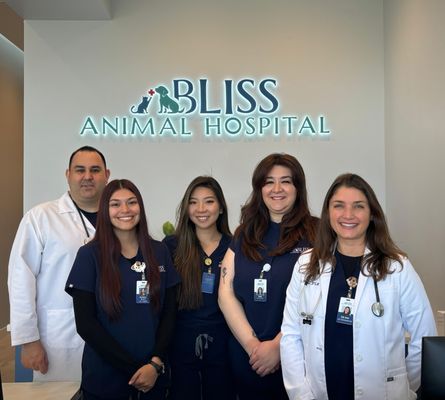
Our team, led by Dr. Nayara Pataro and Dr. Sam Amirshahi, is dedicated to providing compassionate, top-rated care right here in South Orange County. With a strong emphasis on relationships and personalized veterinary care, we’re here to support you and your pet’s health and happiness. If you’re looking for convenient, high-quality care nearby, check out our veterinarian services in Lake Forest, CA and surrounding areas like Veterinarian near Mission Viejo, CA, Irvine, CA Veterinarian (Great Park and Portola Springs) and vet near Rancho Santa Margarita, CA.


















Leave A Comment