

Pet Nutrition and Weight Management: How to Feed Your Dog or Cat for Long-Term Health
Top 3 Takeaways
Introduction
Pet nutrition has become increasingly confusing for dog and cat owners. A quick online search for “best dog food” or “what should I feed my cat” often returns thousands of conflicting opinions, influencer trends, and marketing claims. Between grain-free diets, raw feeding, homemade meals, boutique brands, and prescription foods, many well-intentioned pet owners feel overwhelmed and unsure if they are doing the right thing.
From a veterinary perspective, nutrition is not about chasing trends or choosing the most expensive option on the shelf. It is about feeding a complete and balanced diet that meets your pet’s individual needs while maintaining a healthy body weight. What works well for one dog or cat may not be appropriate for another, even within the same household.
At Bliss Animal Hospital, nutrition and weight management are a routine part of preventive care. We regularly see pets whose health issues, such as joint pain, digestive upset, or chronic disease, are closely tied to diet and excess weight. This guide is designed to answer common nutrition questions, explain how to assess your pet’s weight, and help you understand when veterinary guidance can make a meaningful difference.
Why Nutrition and Weight Management Matter for Pets
Nutrition affects nearly every system in your pet’s body. The food your dog or cat eats daily influences energy levels, immune function, digestion, joint health, and overall quality of life.
How Diet Impacts Long-Term Health
A properly balanced diet provides essential nutrients that support organ function, muscle maintenance, and healthy metabolism. Pets receiving appropriate nutrition are more likely to maintain stable energy, a healthy coat, and normal digestive function. Over time, good nutrition also plays a role in reducing inflammation and supporting immune health.
Conversely, diets that are unbalanced or excessive in calories can contribute to chronic disease. Nutritional imbalances may not cause immediate symptoms, but their effects often accumulate over years, eventually leading to preventable health problems.
The Hidden Risks of Overfeeding
Overfeeding is one of the most common nutritional issues veterinarians encounter. Even modest excess weight places additional stress on joints, the heart, and internal organs. Overweight pets are at increased risk for arthritis, diabetes, respiratory difficulty, and reduced lifespan.
Many owners associate food with love, but in reality, portion control and appropriate feeding are acts of care that directly support long-term health.
Is My Dog or Cat Overweight?
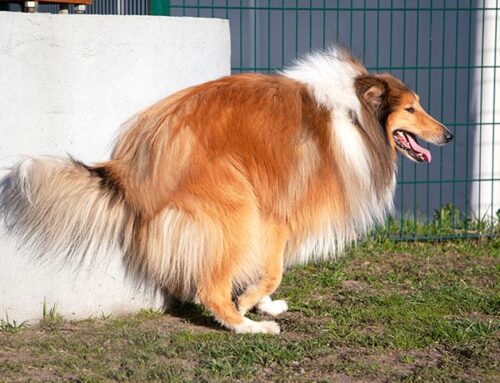
One of the most frequent questions pet owners ask is whether their pet is overweight. The answer is not always obvious, especially in long-haired breeds or naturally stocky dogs and cats.
Understanding Body Condition Score
Veterinarians use a Body Condition Score system to assess whether a pet is underweight, ideal, or overweight. This method evaluates body shape, fat coverage over ribs, waist definition, and abdominal tuck rather than relying solely on the number on a scale.
A pet at an ideal weight should have ribs that are easily felt but not visible, a noticeable waist when viewed from above, and an abdominal tuck when viewed from the side. Pets lacking these features are often carrying excess weight.

Figure 1: Body Condition Score (BCS) Chart for Dogs – This chart illustrates the 9-point Body Condition Score system used by veterinarians to assess whether a dog is underweight, at an ideal weight, overweight, or obese based on body shape and fat distribution.
Common Signs of Pet Obesity
Signs that a dog or cat may be overweight include difficulty feeling the ribs, decreased activity, slower movement, reluctance to jump or climb stairs, and increased panting. These changes often occur gradually, making them easy to overlook until mobility or comfort is affected.

Figure 2: Body Condition Score (BCS) Chart for Cats
This chart illustrates the 9-point Body Condition Score system used by veterinarians to assess whether a cat is underweight, at an ideal weight, overweight, or obese based on body shape and fat distribution.
How Many Calories Does My Pet Actually Need?
Calorie needs vary widely among pets, and feeding guidelines on pet food bags are only estimates. Many pets require fewer calories than recommended on packaging, especially if they are less active or have been spayed or neutered.
Factors That Affect Calorie Requirements
Why Treats and Table Scraps Matter
Treats and table scraps often contain more calories than owners realize. A few bites of human food can represent a significant percentage of a small dog’s daily caloric needs. Over time, these “extra” calories contribute to weight gain even when regular meals appear appropriate.
What’s the Best Food for My Dog or Cat?
There is no single “best” food for all pets. The right diet depends on your pet’s life stage, health status, and individual tolerance.
Choosing a Quality Commercial Diet
Commercial diets that meet Association of American Feed Control Officials standards are formulated to be complete and balanced. Choosing a life-stage appropriate diet, such as puppy, adult, or senior formulas, helps ensure proper nutrient ratios.
Protein quality, fat content, and digestibility are more important than marketing claims. A veterinarian can help evaluate whether a food is appropriate for your specific pet.
Grain-Free vs Grain-Inclusive Diets
Grain-free diets have become popular, but they are not inherently healthier for most pets. In fact, certain grain-free diets have been associated with heart disease in dogs when improperly formulated. Grains can be a valuable source of nutrients and are well tolerated by most pets unless a true allergy is present.
Raw Food Diets vs Dry and Canned Food
Raw feeding is one of the most frequently searched and debated topics in pet nutrition. While some owners report perceived benefits, raw diets also carry documented risks.
Potential Pros of Raw Diets
Supporters of raw diets often cite improved palatability, perceived coat quality improvements, and a more “natural” feeding approach. Some pets do enjoy raw food, which may improve appetite in selective eaters.
Risks and Veterinary Concerns
Raw diets pose a higher risk of bacterial contamination, including Salmonella and E. coli, which can affect both pets and people. Nutritional imbalances are also common in homemade raw diets, potentially leading to deficiencies or excesses over time.
For households with children, elderly individuals, or immunocompromised family members, these risks are especially important to consider.
Veterinary Perspective on Raw Feeding
From a veterinary standpoint, raw diets require careful formulation and monitoring. In many cases, commercially prepared, balanced diets offer similar nutritional benefits with significantly lower risk.
Can Dogs and Cats Eat Human Food?
Pet owners frequently ask whether sharing food is safe. Some human foods are safe in moderation, while others are dangerous or toxic.
Human Foods That May Be Safe in Small Amounts
Lean meats, plain cooked vegetables, and certain fruits can be safe when offered occasionally and without seasoning. These should never replace a balanced pet diet.
Foods That Are Dangerous or Toxic
Chocolate, grapes, raisins, onions, garlic, xylitol, and alcohol are toxic to pets and should always be avoided. Even small amounts can cause serious illness.
Special Diets for Medical Conditions
Diet plays a critical role in managing many medical conditions. Prescription diets are formulated to support specific health needs and should be used under veterinary guidance.
Common Prescription Diet Uses
Veterinary diets may be recommended for gastrointestinal disease, kidney disease, obesity, food allergies, and urinary conditions. These diets are designed to support treatment goals while maintaining nutritional balance.
Why Veterinary Guidance Matters
Changing a pet’s diet without guidance can worsen certain conditions. Monitoring weight, lab values, and clinical response ensures the diet is effective and safe.
How Veterinarians Help With Weight Loss and Nutrition Planning
Weight management is most successful when approached as a structured plan rather than a short-term fix.
What a Nutrition Consultation Includes
A veterinary nutrition consultation typically includes a body condition assessment, diet history review, calorie calculation, and a realistic weight-loss or maintenance plan. Progress is monitored over time and adjusted as needed.
Why Crash Diets Fail
Rapid weight loss can lead to muscle loss and metabolic issues, especially in cats. Slow, controlled weight loss is safer and more sustainable.
Tips for Maintaining a Healthy Weight Long-Term
Long-term success depends on consistency and realistic expectations.
Practical Strategies for Pet Owners
Portion control, scheduled feeding, regular activity, and thoughtful treat choices all contribute to maintaining a healthy weight. Small adjustments over time often yield the best results.
When to Schedule a Nutrition or Weight Management Visit
If you notice weight gain, difficulty losing weight, digestive issues, or uncertainty about your pet’s diet, a veterinary visit is appropriate. Senior pets and those with chronic conditions especially benefit from nutritional guidance.
Conclusion
Nutrition and weight management are central to preventive veterinary care. Feeding the right diet in the right amount supports long-term health, mobility, and quality of life. With proper guidance, most pets can achieve and maintain a healthy weight.
At Bliss Animal Hospital, we help pet owners navigate nutrition choices with evidence-based recommendations tailored to each pet. If you have questions about your dog or cat’s diet or weight, call 949-354-5201 or schedule a consultation with our veterinary team today.
About Bliss Animal Hospital
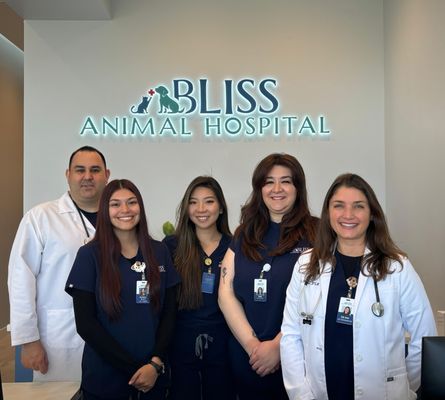
Our team, led by Dr. Nayara Pataro and Dr. Sam Amirshahi, is dedicated to providing compassionate, top-rated care right here in South Orange County. With a strong emphasis on relationships and personalized veterinary care, we’re here to support you and your pet’s health and happiness. If you’re looking for convenient, high-quality care nearby, check out our veterinarian services in Lake Forest, CA and surrounding areas like Veterinarian near Mission Viejo, CA, Irvine, CA Veterinarian (Great Park and Portola Springs) and vet near Rancho Santa Margarita, CA.




















Leave A Comment