

Senior Pet Wellness Exams: Why Every 6 Months Matters
Top 3 Takeaways
Introduction
The pet population in the United States is aging. Advances in veterinary medicine, improved preventive care, better nutrition, and stronger human–animal bonds have significantly extended the lifespan of both dogs and cats. Conditions that were once fatal or untreatable decades ago are now manageable. Cancer therapies, advanced imaging, chronic disease medications, and specialized diets have changed what aging looks like for companion animals.
However, longer lifespans bring new responsibilities. Aging is not a disease, but it is associated with predictable physiologic decline. Organ systems gradually lose efficiency. Metabolism slows. Immune responses shift. Joint cartilage wears down. Cognitive processing may change. Unlike humans, pets cannot describe subtle discomfort, fatigue, or confusion. Early signs of age-related disease are often quiet and easily missed at home.
Senior wellness exams are specifically designed to detect these subtle changes before they become crises. For many aging pets, moving from annual to biannual examinations is not excessive, it is medically prudent. When a senior pet is seen every six months, we are far more likely to identify disease in its early stages, when intervention can meaningfully improve outcome.
When Is a Pet Considered “Senior”?
Aging is not defined by a single number. The designation of “senior” depends on species, breed size, genetics, and overall health status. Large breed dogs age faster than small breeds, while cats tend to age more gradually but still experience significant internal changes by 10 years of age.
In clinical practice, we focus less on chronological age and more on physiologic aging. A seven-year-old Great Dane may show senior characteristics, while a nine-year-old Chihuahua may still be metabolically robust. Similarly, a 12-year-old cat may appear active while quietly developing early kidney disease.
General Senior Age Guidelines
| Species | Typical Senior Age |
| Small dogs | 10+ years |
| Large breed dogs | 6–8 years |
| Cats | 10+ years |
These guidelines are starting points. The transition into senior care is based on risk assessment, not a birthday alone.

Figure 1: How old is your pet in people years? A color-coded age comparison chart showing dog and cat ages translated into human years by weight category, designed in blue and green tones. Source: Animal Hospital of Ovilla, TX
Why Senior Pets Benefit from Exams Every 6 Months
One of the most important concepts in senior veterinary medicine is that pets age more rapidly than humans. A single calendar year in a senior dog or cat can represent multiple human-equivalent years physiologically. Waiting a full year between evaluations may allow significant disease progression.
Biannual exams allow trend monitoring rather than snapshot assessment. Subtle weight changes, mild laboratory shifts, or early blood pressure elevation may not be obvious during a single visit, but patterns become clear when evaluated twice yearly.
Common reasons six-month exams are recommended include:
Many age-related diseases are manageable when detected early but become more difficult and expensive to treat in advanced stages.
Common Age-Related Conditions in Senior Dogs and Cats
As pets age, the risk of chronic medical conditions increases. These diseases often begin subtly, without dramatic symptoms. Regular exams improve the likelihood of identifying them during early, treatable stages.
Kidney Disease
Chronic kidney disease is especially common in aging cats but also occurs in dogs. Early stages often show no outward symptoms. Blood and urine testing are essential for detection before significant kidney function is lost.
Arthritis and Degenerative Joint Disease
Joint degeneration is nearly universal in senior dogs and increasingly recognized in cats. Early signs are subtle:
Pain management significantly improves mobility and quality of life.
Cancer
Cancer risk increases with age. While not all lumps are malignant, any new mass should be evaluated promptly. Weight loss, appetite changes, or unexplained lethargy warrant further investigation.
Endocrine Disorders
Hormonal conditions are common in senior pets.
These conditions often develop gradually and respond well to early treatment.
Heart Disease
Heart disease may present with coughing, exercise intolerance, or subtle fatigue. Early detection allows for medical management that slows progression.
Cognitive Dysfunction
Senior pets may experience cognitive changes similar to dementia. Signs include:
Early intervention may improve function and comfort.
Physical Signs of Aging to Monitor at Home
Aging begins quietly. Many changes are mistaken for “normal old age,” but in reality they often signal underlying medical issues.
Common physical indicators include:
The challenge is that these changes occur gradually. Biannual exams provide structured monitoring that removes guesswork.
Signs of Aging to Watch for in Senior Pets
It’s easy to dismiss changes as “just getting old,” but many are actually treatable or manageable medical conditions. Contact us if you notice any of these warning signs:

Weight changes
Sudden weight loss may indicate metabolic disease, while weight gain can worsen arthritis and heart problems.

Increased drinking/urination
Common in diabetes, kidney disease, or Cushing’s disease.

Mobility problems
Stiffness or reluctance to jump often signals arthritis or joint pain.

Lumps or bumps
Not all growths are cancerous, but all should be examined by a vet.

Bad breath or drooling
Often signs of painful dental disease, infections, or oral masses.

Vision/hearing decline
Cataracts, retinal disease, or ear infections can reduce sensory input.

Changes in sleep or grooming
Senior pets may sleep more, groom less, or seem restless.

Confusion or disorientation
Can point to cognitive dysfunction syndrome (similar to dementia).

Reduced activity
A pet who withdraws from play or social interaction may be in pain or ill.
Behavioral and Mental Changes in Senior Pets
Behavioral changes are frequently overlooked or attributed to stubbornness or personality shifts. In reality, they may indicate neurologic or metabolic disease.
Potential behavioral indicators include:
These changes deserve medical evaluation rather than dismissal.
What Happens During a Senior Wellness Exam?
Senior wellness visits are more comprehensive than routine adult exams. The focus shifts from vaccination-only visits to broader systemic evaluation.
A senior exam typically includes:
Senior Screening Comparison Table
| Test | Purpose |
| Blood panel | Detect kidney, liver, endocrine issues |
| Urinalysis | Assess kidney function and infection |
| Blood pressure | Screen for hypertension |
| Thyroid testing | Evaluate metabolic disease |
| Imaging | Assess masses or organ changes |
The goal is proactive monitoring, not reactive treatment.

Image 1: Senior Pet Wellness Guide: Key health risks, exercise tips, dental care, nutrition, and preventive care recommendations to help aging dogs and cats live longer, healthier lives.
Nutrition and Environmental Adjustments for Aging Pets
Medical monitoring is only one part of senior care. Lifestyle adjustments significantly influence comfort and longevity.
Nutritional Considerations
As metabolism changes, nutritional needs evolve.
Dietary modifications should be individualized rather than generalized.
Environmental Modifications
Simple environmental changes improve safety and mobility.
These adjustments reduce strain and prevent injury.
Pain Management and Mobility Support
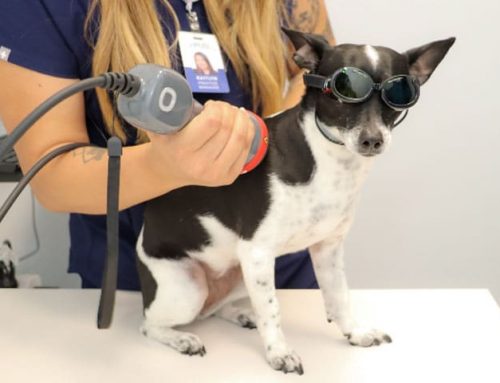
Chronic pain is underdiagnosed in senior pets. Many animals do not cry or vocalize when in pain; instead, they simply move less.
Modern veterinary medicine offers multimodal pain management options:
Early treatment preserves mobility and independence.
Early Detection and Preventive Monitoring
Early detection is the cornerstone of senior veterinary medicine. Most chronic diseases do not appear suddenly. They develop gradually, often detectable through laboratory trends before symptoms arise.
Biannual monitoring allows veterinarians to:
Trend analysis is far more powerful than isolated testing.
Quality of Life and End-of-Life Planning
Senior care also includes thoughtful discussions about quality of life. The goal of veterinary medicine is not simply extending lifespan at any cost, but preserving meaningful comfort and dignity.
End-of-life conversations may include:
Planning allows families to make compassionate decisions rather than crisis-driven ones.
When to Schedule a Senior Wellness Exam
If your dog or cat is approaching senior age or if you notice changes in mobility, appetite, behavior, or energy, it is appropriate to schedule a senior evaluation.
Learn more about our senior services here:
Senior Pet Care in Lake Forest, CA
Biannual exams provide structure, monitoring, and peace of mind.
Conclusion
The aging of the pet population reflects progress in veterinary medicine and the deep bond between humans and their companion animals. However, longevity requires proactive care. Senior pets experience physiologic changes that demand closer monitoring than younger adults.
Biannual senior wellness exams allow early detection, proactive treatment, and meaningful quality-of-life preservation. Aging is inevitable, but unmanaged disease does not have to be.
At Bliss Animal Hospital, our senior care approach emphasizes early intervention, thoughtful monitoring, and compassionate support through every stage of life.
Call 949-354-5201 to schedule your senior pet’s wellness exam today.
Senior Pet Care in South Orange County, CA
About Bliss Animal Hospital
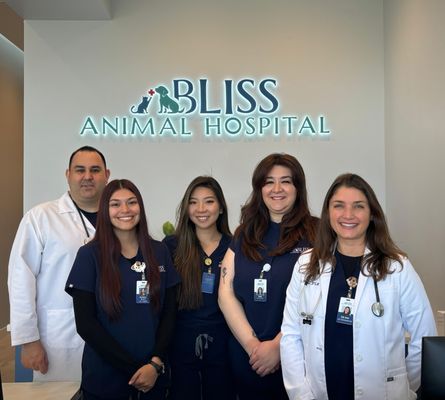
Our team, led by Dr. Nayara Pataro and Dr. Sam Amirshahi, is dedicated to providing compassionate, top-rated care right here in South Orange County. With a strong emphasis on relationships and personalized veterinary care, we’re here to support you and your pet’s health and happiness. If you’re looking for convenient, high-quality care nearby, check out our veterinarian services in Lake Forest, CA and surrounding areas like Veterinarian near Mission Viejo, CA, Irvine, CA Veterinarian (Great Park and Portola Springs) and vet near Rancho Santa Margarita, CA.




















Leave A Comment