

Why Is My Dog Scratching So Much? Common Causes of Itchy Skin
Top 3 Takeaways
Introduction
Most dogs scratch occasionally. A brief itch behind the ear or a quick paw lick is normal grooming behavior. However, when scratching becomes frequent, intense, or constant, it stops being a habit and becomes a symptom.
In veterinary medicine, excessive itching is called pruritus, and it is one of the most common clinical complaints we evaluate. Persistent itching indicates inflammation of the skin. Over time, this inflammation weakens the protective skin barrier, allowing bacteria and yeast to multiply. What starts as mild irritation can quickly progress to infection, hair loss, thickened skin, and painful hot spots.
At Bliss Animal Hospital, we frequently diagnose and manage itchy skin in dogs across South Orange County. Identifying the underlying cause is essential because successful treatment depends on targeting the source of inflammation rather than simply suppressing symptoms.
How Much Scratching Is Normal for a Dog?
All dogs scratch occasionally, just as humans adjust clothing or rub an itch. The challenge for pet owners is determining when scratching becomes abnormal. In clinical practice, we assess itching based on frequency, intensity, and impact on quality of life.
Occasional scratching that does not cause skin changes is rarely concerning. However, when scratching becomes repetitive, forceful, or disruptive, it often signals underlying inflammation.
Signs that itching is no longer normal include:
If scratching interferes with sleep, activity, or causes visible skin damage, veterinary evaluation is recommended.

Figure 1: Common Areas Where Dogs Show Allergy and Skin Symptoms. This diagram highlights typical locations of itching and inflammation in dogs, including the ears, face, paws, and skin. Environmental and food allergies often cause redness, swelling, hair loss, odor, and chronic irritation in these areas.
The Most Common Causes of Itchy Skin in Dogs
Itching is not a diagnosis; it is a clinical sign. Several underlying conditions can produce similar outward symptoms. Without identifying the cause, treatment may be temporary or ineffective.
Below are the most common causes we evaluate in dogs presenting with chronic pruritus.
Environmental Allergies (Atopic Dermatitis)
Environmental allergies are one of the leading causes of chronic itching in dogs. These occur when the immune system overreacts to substances such as pollen, grass, dust mites, or mold spores. In Southern California, exposure is often year-round rather than seasonal.
Unlike humans, dogs rarely show allergy symptoms through sneezing. Instead, they develop skin inflammation.
Common signs include:
Environmental allergies are typically lifelong conditions requiring ongoing management rather than a one-time cure.
Fleas and External Parasites
Fleas remain a major trigger for itching, even in dogs that spend limited time outdoors. A single flea bite can trigger intense itching in dogs with flea allergy dermatitis.
Typical patterns include:
Other parasites such as mites can also cause inflammation. Year-round parasite prevention is one of the most effective preventive measures against itching.
Bacterial and Yeast Skin Infections
When the skin barrier becomes inflamed, bacteria and yeast that normally live on the skin can multiply excessively. These infections are often secondary to allergies but significantly worsen itching.
Signs of infection include:
Treating infection alone without addressing the root cause often leads to recurrence.
Food Allergies and Food Sensitivities
Food-related skin disease is less common than environmental allergies but still clinically important. Food allergies often cause non-seasonal itching that persists year-round.
Possible signs include:
Diagnosis requires a structured elimination diet trial under veterinary supervision, as blood testing for food allergies is unreliable.

Figure 2: Veterinary Steps for Managing Pet Skin Allergies – Flowchart showing how veterinarians diagnose and treat itching and skin problems. It outlines stopping the itch, ruling out parasites, treating infections, running an elimination diet trial, and confirming atopic dermatitis, with an 8-week diet plan for food allergy evaluation. Source: Canadian Academy of Veterinary Dermatology
Dry Skin and Environmental Irritants
Dry skin, frequent bathing, harsh shampoos, or contact with chemical irritants can contribute to mild itching. While less severe than allergy-driven disease, these factors can aggravate existing inflammation.
Possible irritants include:
If symptoms persist beyond a few days, deeper causes should be investigated.
When Scratching Becomes a Medical Concern
Chronic itching is more than a nuisance. Over time, inflammation changes the structure of the skin, making it thicker, darker, and more prone to infection. Dogs often mask discomfort, so visible symptoms may represent advanced irritation.
Warning signs that require veterinary evaluation include:
Early treatment helps prevent painful complications such as hot spots.
Symptom Decision Table: When to Monitor vs. Schedule an Exam
| Symptom | Likely Cause | Recommended Action |
| Mild occasional scratching | Normal grooming | Monitor |
| Scratching daily for more than 3–5 days | Allergies or irritation | Schedule exam |
| Paw licking + ear infections | Environmental allergies | Veterinary evaluation |
| Sudden intense itching | Fleas or allergic reaction | Same-week appointment |
| Open sores or oozing lesions | Secondary infection | Prompt veterinary care |
| Lethargy with itching | Possible systemic issue | Immediate evaluation |
How Veterinarians Diagnose Itchy Skin
Diagnosing pruritus requires a systematic approach. Simply prescribing medication without identifying the cause often leads to recurrence.
Diagnostic steps may include:
This structured process allows for targeted, effective treatment.
Treatment Options for Dogs with Itchy Skin
Treatment depends on the underlying cause. The goal is to reduce inflammation, restore skin integrity, and prevent recurrence.
Treatment options may include:
The objective is sustainable relief rather than temporary suppression.
Can You Treat Itchy Skin at Home?
Mild itching may improve with supportive care, but home remedies rarely resolve chronic disease. Over-the-counter sprays may provide temporary relief while underlying inflammation continues.
Avoid:
If itching lasts more than a few days or worsens, professional evaluation is the safest course.
Frequently Asked Questions About Itchy Skin in Dogs
Why does my dog itch more at night?
Dogs often appear itchier at night because environmental distractions decrease and they are more aware of discomfort. Inflammatory mediators in the skin also fluctuate throughout the day. Nighttime itching does not necessarily mean the condition is worsening, but persistent nighttime scratching often indicates significant skin inflammation that requires treatment.
Can changing my dog’s food fix itchy skin?
Diet changes can help if food allergy is the underlying cause. However, environmental allergies are more common and will not improve solely with a diet switch. Randomly changing foods may complicate diagnosis. A structured elimination diet supervised by a veterinarian is the most reliable way to evaluate food-related itching.
Are allergy shots necessary for dogs?
Allergy immunotherapy is not required for every dog but can be highly effective in certain cases. Many dogs respond well to medical management alone. Immunotherapy is typically considered when symptoms are severe, persistent, or poorly controlled with standard therapy. Your veterinarian can determine if it is appropriate.
Is chronic itching a lifelong condition?
For dogs with environmental allergies, management is often long-term rather than curative. However, with proper treatment plans, most dogs live comfortable lives with minimal flare-ups. Early diagnosis improves long-term outcomes significantly.
When should I see a veterinarian for my dog’s itching?
If scratching persists beyond a few days, worsens, causes visible skin changes, or is accompanied by ear infections or lethargy, veterinary evaluation is recommended. Early intervention prevents infection and chronic skin damage.
Conclusion
Excessive scratching is one of the clearest signals that something is wrong with your dog’s skin. While mild itching can occur occasionally, persistent pruritus almost always reflects allergies, parasites, or infection. Without targeted treatment, symptoms typically worsen over time.
At Bliss Animal Hospital, we provide comprehensive dermatologic care for dogs throughout South Orange County. Our approach focuses on identifying the root cause, relieving discomfort, and creating long-term management strategies.
If your dog is scratching excessively, call 949-354-5201 or request an appointment online today.
Pet Dermatology Services in South Orange County, CA
About Bliss Animal Hospital
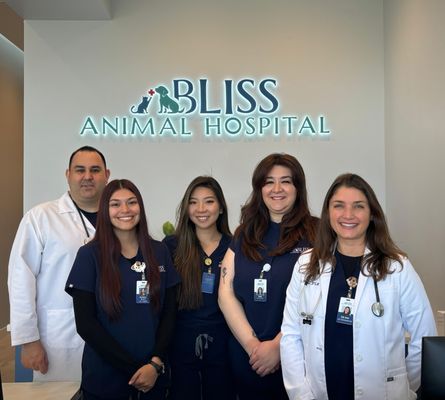
Our team, led by Dr. Nayara Pataro and Dr. Sam Amirshahi, is dedicated to providing compassionate, top-rated care right here in South Orange County. With a strong emphasis on relationships and personalized veterinary care, we’re here to support you and your pet’s health and happiness. If you’re looking for convenient, high-quality care nearby, check out our veterinarian services in Lake Forest, CA and surrounding areas like Veterinarian near Mission Viejo, CA, Irvine, CA Veterinarian (Great Park and Portola Springs) and vet near Rancho Santa Margarita, CA.




















Leave A Comment